
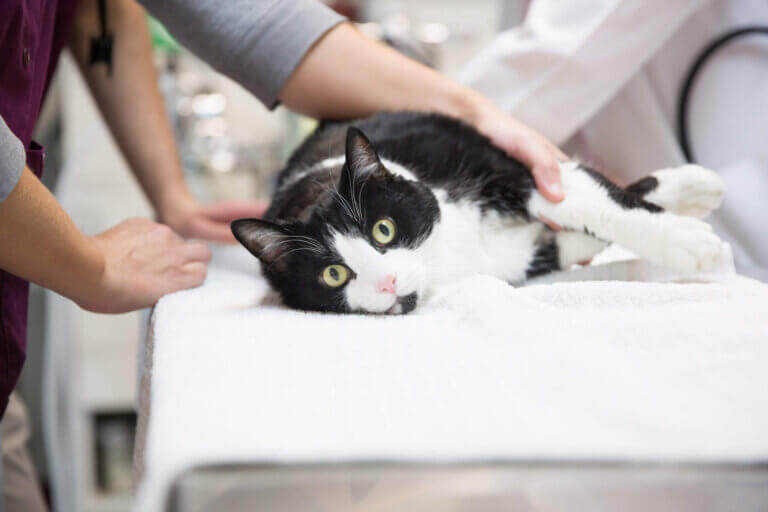
Your primary veterinarian and urgent care veterinarian work together as part of a connected care team to support your pet’s health at every stage. Your general practice veterinarian focuses on wellness, prevention, and ongoing care, while an urgent care veterinarian provides timely support when your pet needs more immediate attention than a routine visit can offer.
When these providers collaborate, it helps ensure your pet receives the right care, at the right time, in the most appropriate setting.
At Tucson Veterinary Urgent Care in Tucson, AZ, we work closely with local veterinary hospitals to help make sure pets receive coordinated, compassionate care whenever unexpected needs arise.
Understanding Where to Go for Care
Knowing where to take your pet can make a stressful situation easier and help them get the care they need as quickly as possible.
Your primary veterinarian is often your first point of contact for your pet’s health. Many general practices offer wellness exams, preventive care, vaccinations, parasite prevention, chronic disease management, and treatment for minor illnesses or injuries. Some clinics may also offer limited urgent or same-day appointments, depending on availability.
Urgent care clinics are designed for situations that need prompt attention but may not require a full emergency hospital visit. Many urgent care facilities accept walk-ins and extended hours. These clinics commonly treat concerns such as sudden limping, minor trauma, vomiting or diarrhea, urinary issues, allergic reactions, or other urgent symptoms that cannot wait for a routine appointment.
If you are ever unsure where to go, calling ahead can help guide you to the right level of care.
How Primary Care and Urgent Care Teams Work Together
Even though your veterinarians may see your pet at different times and for different needs, they stay connected through communication and shared medical information.
When your pet is seen at an urgent care clinic, the team may reach out to your primary veterinarian to gather important background information such as vaccination history, medications, previous illnesses or surgeries, chronic conditions, and any relevant test results. This helps the urgent care team understand your pet’s overall health and choose the safest and most effective diagnostics and treatments.
In some cases, your urgent care team may also consult directly with your veterinarian during evaluation or treatment to ensure everyone is aligned on your pet’s care plan.
Once your pet has been evaluated and treated, the urgent care clinic will send a complete medical summary to your primary veterinarian. This typically includes exam notes, diagnostic results, lab work, medications, treatments provided, and recommendations for follow-up care.
Continuing Care and Follow-Up Support
After an urgent care visit, your primary veterinarian plays an important role in your pet’s continued recovery. They will review the urgent care records, check your pet’s progress, and schedule follow-up appointments as needed.
This may include monitoring healing, adjusting medications, managing ongoing conditions, or providing additional preventive care to support long-term health. Because your primary veterinarian already understands your pet’s medical history, they are able to continue care in a familiar and personalized way.
Why This Partnership Matters
When primary veterinarians and urgent care teams work together, pets benefit from more seamless and coordinated care. Information is shared more efficiently, treatment decisions are better informed, and transitions between clinics are smoother and less stressful for both pets and their families.
Most importantly, this partnership helps ensure pets always receive the right level of care at the right time.
Coordinated Care Across Tucson
Tucson Veterinary Urgent Care in Tucson, AZ, proudly partners with Encanto Pet Clinic, Pantano Animal Clinic, Twin Peaks Veterinary Center, and Rita Ranch Pet Hospital. Together, our teams collaborate to support pets across Tucson through shared medical records, direct communication, and coordinated referrals. If you need care, please call ahead to let us know that you are on your way. If you need a referral, give us a call, walk in, or use our online check-in services.
